I inspect where ant trails are appearing, look for likely entry points and contributing conditions, and recommend treatment based on the activity found.
I personally review your pest concern and explain the recommended next step.
02
Inspection-first recommendations
Your service is based on the pest activity, property, and accessible conditions found.
03
Clear service scope
I explain the planned treatment, preparation, coverage, and follow-up before service begins.
Why activity may appear
Conditions that can bring pests closer to your property.
Food, moisture, and shelter can attract ants indoors.
Small cracks, plumbing openings, windows, doors, and utility lines can provide entry points.
Landscape plants, irrigation, tree branches, and changing weather can move ant activity closer to the structure.
What service may include
A pest-control plan based on what I find.
Inspection of visible ant trails and accessible problem areas
Identification of likely entry points and contributing conditions
Targeted treatment in accessible interior areas or around the exterior perimeter of the building based on the activity found
Recommendations to reduce food, moisture, and access around the property
What happens next
A straightforward path from pest concern to service.
1Tell me what you are seeing
Call, text, or send the service form with the pest, affected area, and address.
2I review the problem
I ask the right questions and inspect accessible problem areas when needed.
3You receive a clear recommendation
I explain the service scope, pricing, preparation, and scheduling before work begins.
What to expect
Clear instructions before and after treatment.
Ant activity may take time to decline because colonies can extend beyond the visible trail. Customers with an active recurring general pest plan receive callback coverage for covered ant activity according to their service agreement. One-time service coverage is provided only as stated in writing for the selected service.
Real ant activity found during service
Ant trails can reveal where activity is entering and traveling.
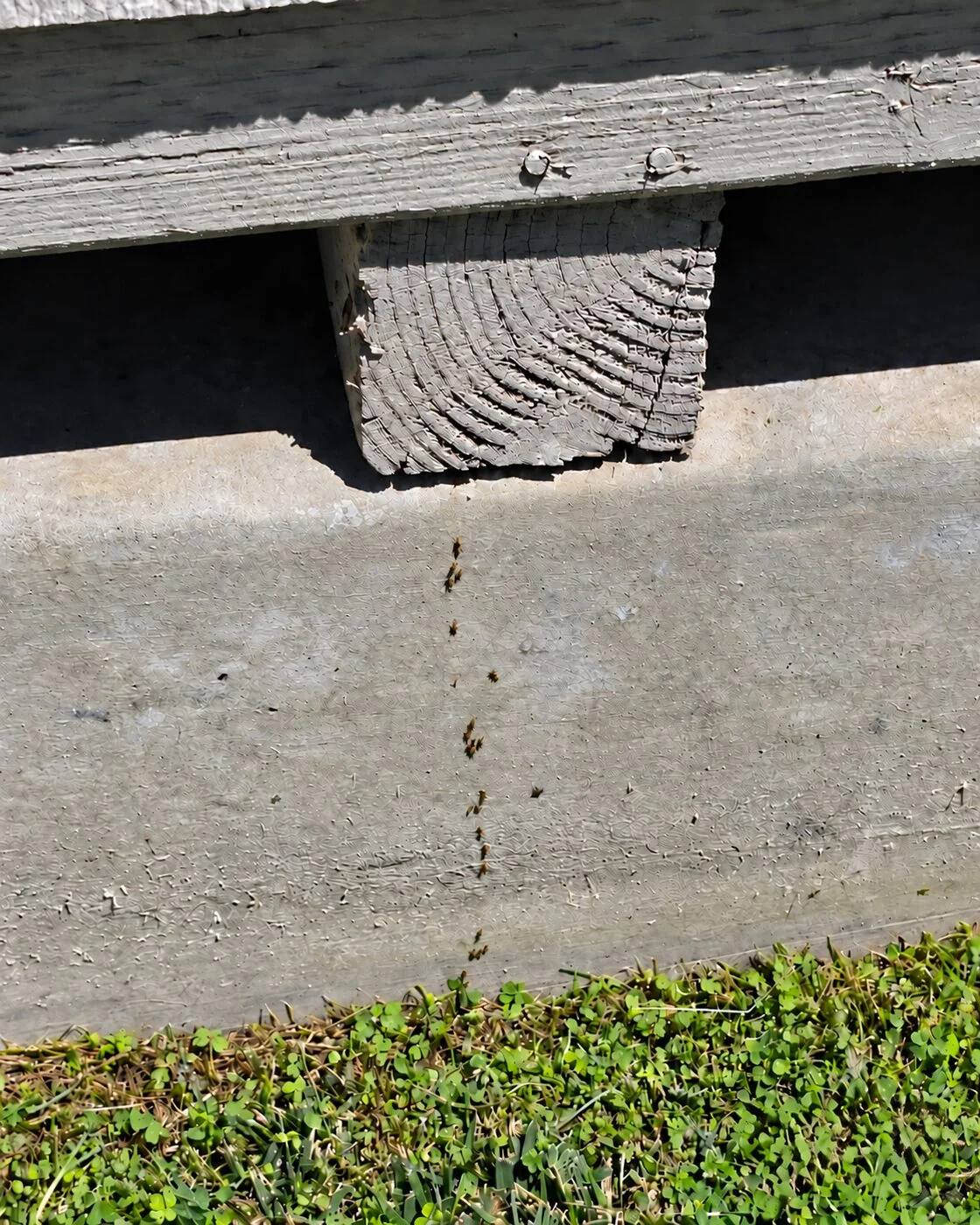
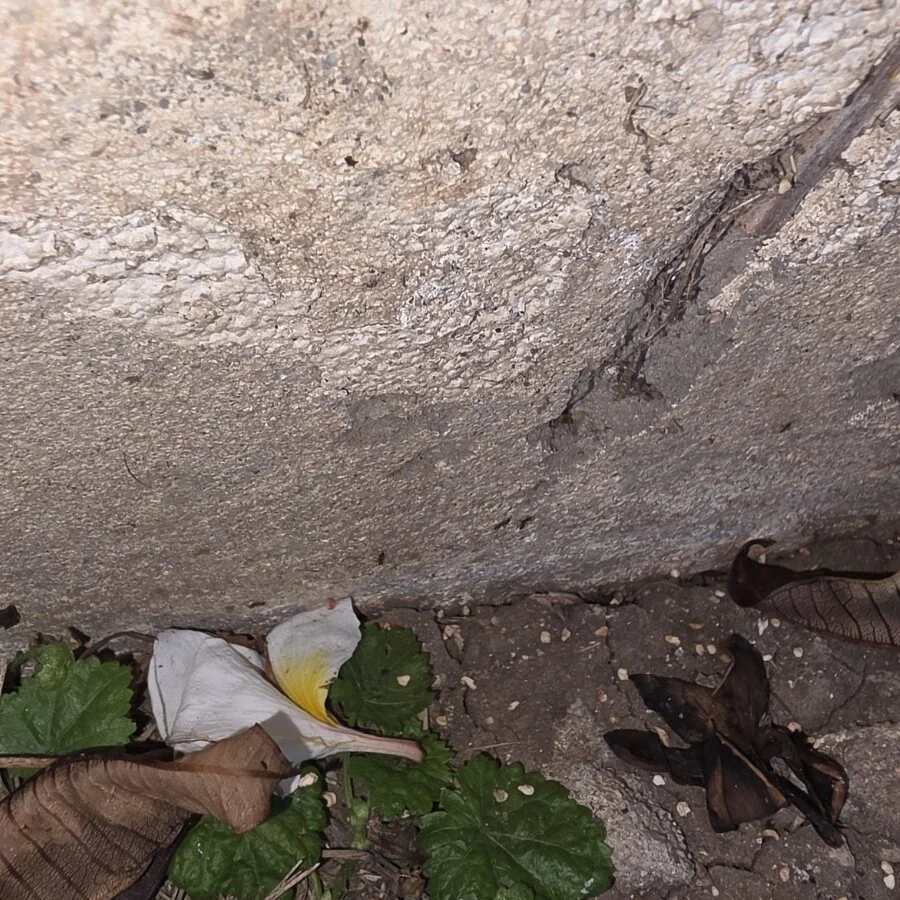
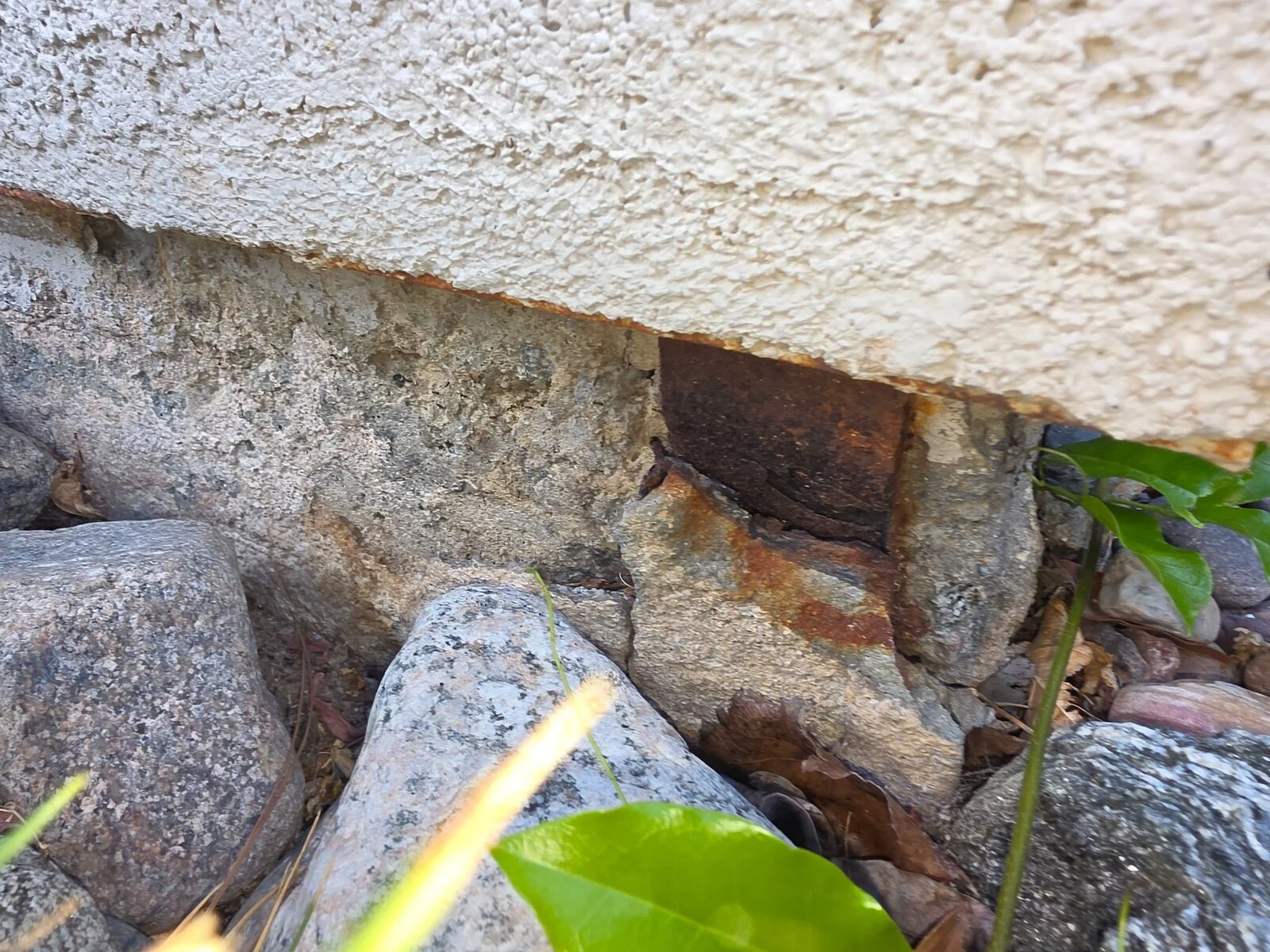
These photos are from actual Rollies service work. I follow visible trails and inspect nearby structural and landscape conditions before deciding where treatment should be placed.
Exterior foundation trail
An active trail moving from the landscape up the foundation toward a protected structural gap.
Landscape activity near the structure
Ant activity found on vegetation next to a block wall, where plants can provide a route toward the property.
Protected foundation gap
Ant activity found along a sheltered gap where the foundation, exterior finish, and landscaping meet.
Before you schedule
Ant control: inspection and service questions
Can you inspect ants inside and outside my home?
Yes. I inspect reported trails and accessible problem areas, including likely entry points and nearby landscape conditions. Treatment areas depend on the findings and the service selected.
What should I share when requesting ant service?
Tell me where the trail starts, which rooms or exterior areas are affected, and whether you have noticed moisture or nearby nests. A clear photo can help me review your concern before the inspection.
Are ants covered by a recurring general pest plan?
Covered ant activity is included according to the terms of your active recurring general pest agreement. I confirm the scope before service. One-time coverage applies only as stated in writing.
Find the right service
Explore other pest-control services.
I provide pest control in Fontana and nearby Inland Empire communities. If you are seeing several types of pest activity, I can help you understand which services fit your property.